
Chill Out to Breathe Better
Chill Out to Breathe Better
A Science-Backed Case for Opening Up
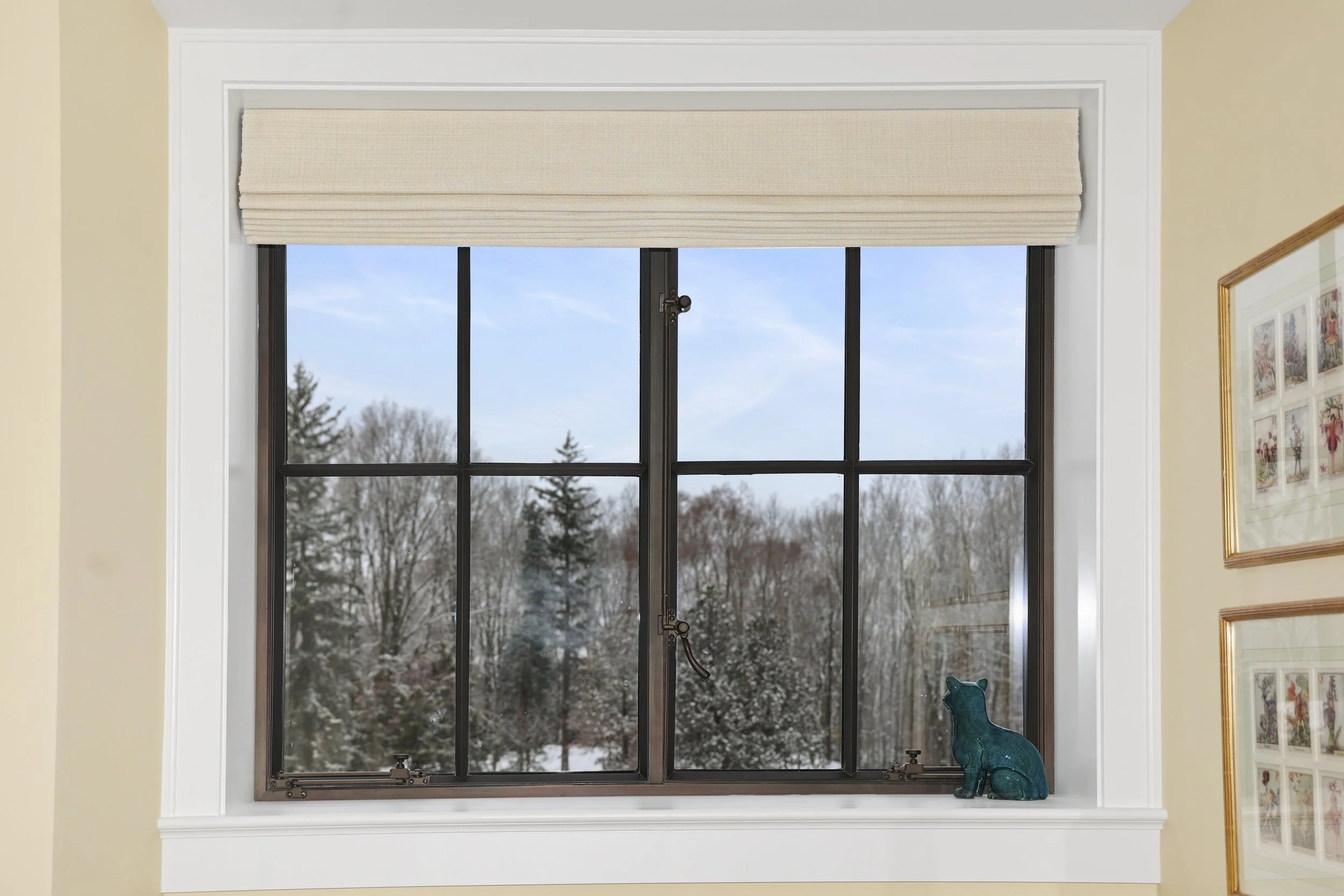
Picture this: It's the middle of winter, frost coating your windows, and your neighbor throws open every window in their house for a full ten minutes. Crazy? Actually, it might be one of the smartest health habits you're not doing yet and it’s a lot easier than a cold plunge (especially if cold plunge is not for you).
Welcome to the world of lüften, Germany's daily ritual of airing out the home, no matter the weather. This centuries-old practice is having a moment in America, where TikTokers have dubbed it "burping your home." But beyond the catchy nickname lies compelling science about why the air inside your house might be making you sick, tired, and foggy-brained.
Why Your Indoor Air Is Worse Than You Think
Here's an uncomfortable truth: the air inside your home is likely more polluted than the air outside. Ian Cull, founder of Indoor Science, confirms what researchers have known for years - our sealed, climate-controlled homes trap a cocktail of contaminants we'd rather not think about.
The culprits? Everything from your favorite scented candles and air fresheners to gas stoves, cleaning products, and that new couch you just bought. Even your body is part of the problem. As Mark Hernandez, a biomedical engineering professor at the University of Colorado Boulder, explains, we're constantly shedding microscopic particles: skin cells, hair, and our personal microbiome. When you open the windows, you dilute and remove what we shed.
The COVID pandemic thrust indoor air quality into the spotlight, but it's been quietly affecting our health all along. For some people, poor indoor air quality triggers asthma or allergies. For others, the effects are subtler but no less real: difficulty concentrating, poor sleep, or unexplained fatigue.
The Surprising Benefits of Cold, Fresh Air
Sleep Like You've Got Fresh Sheets Every Night
Research shows that sleeping with windows open helps people fall asleep faster and sleep more soundly. A 2021 study found that people snored less and woke up less frequently with windows open (though noisy neighborhoods can obviously complicate this).
Sleep psychologist Lynelle Schneeberg from Yale University compares the practice to sleeping on freshly washed sheets - except you get that feeling every single day. For better sleep, she recommends practicing lüften right before bed.
Sharper Mind, Better Mood
Recent studies reveal a striking connection between fresh air and mental performance. A 2025 study found that classrooms with higher carbon dioxide concentrations (from poor ventilation) correlated with lower test scores. The emerging research is clear: we need fresh air to function at our best.
The mood benefits are equally impressive. Another 2025 study in BMC Geriatrics discovered that older adults living in well-ventilated homes were less likely to experience depression than those in poorly ventilated spaces.
But perhaps the most overlooked benefit is psychological. Laurence Chan, a medical psychology professor at Columbia University, views lüften as a built-in mindfulness practice. When cold air rushes in, we become present - attuned to our senses, our bodies, our immediate experience. For sedentary people or those prone to anxiety, it's a natural circuit breaker in the day.
How to Practice Lüften (Without Freezing)
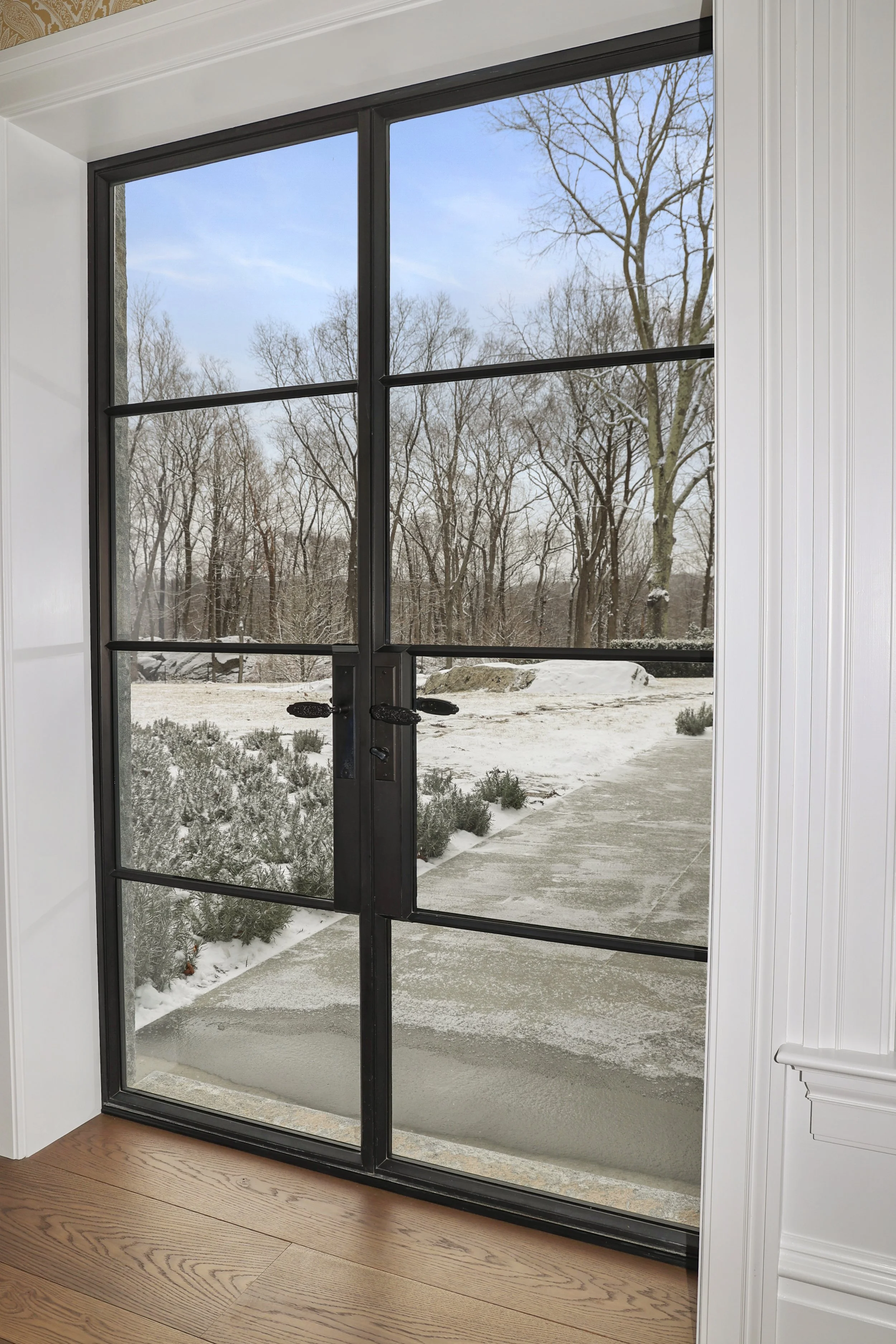
The most intensive version is stoß lüften or "shock ventilation.” opening all windows completely for 5-10 minutes. This creates a cross-breeze that rapidly exchanges indoor air without significantly cooling your walls or furniture.
Mark Hernandez's family practices a modified version: windows open first thing in the morning, when returning from work, and before bed. It's become such a valued ritual that his wife quotes a Romanian proverb she grew up with: "If you don't open the windows, the doctor will come through the door."
When to Keep Windows Closed
Fresh air isn't always the answer. Skip lüften during wildfires, dust storms, high pollen days, or rush hour in urban areas. Check your local air quality index first; if outdoor air quality is worse than indoor, keep those windows shut and consider an air purifier instead.
The Bottom Line
In our modern obsession with sealed, climate-controlled environments, we've forgotten something our ancestors knew instinctively: fresh air matters. We track our steps, optimize our sleep, and curate our diets, but we're breathing stale, contaminated air for 90% of our lives.
Lüften costs nothing, takes ten minutes, and according to experts, works. If your home feels stuffy right now, take this as your sign. Open a window. Your brain (and lungs) will thank you.