
Preventing Condensation on Steel Windows & Doors
Preventing Condensation on Steel Windows & Doors
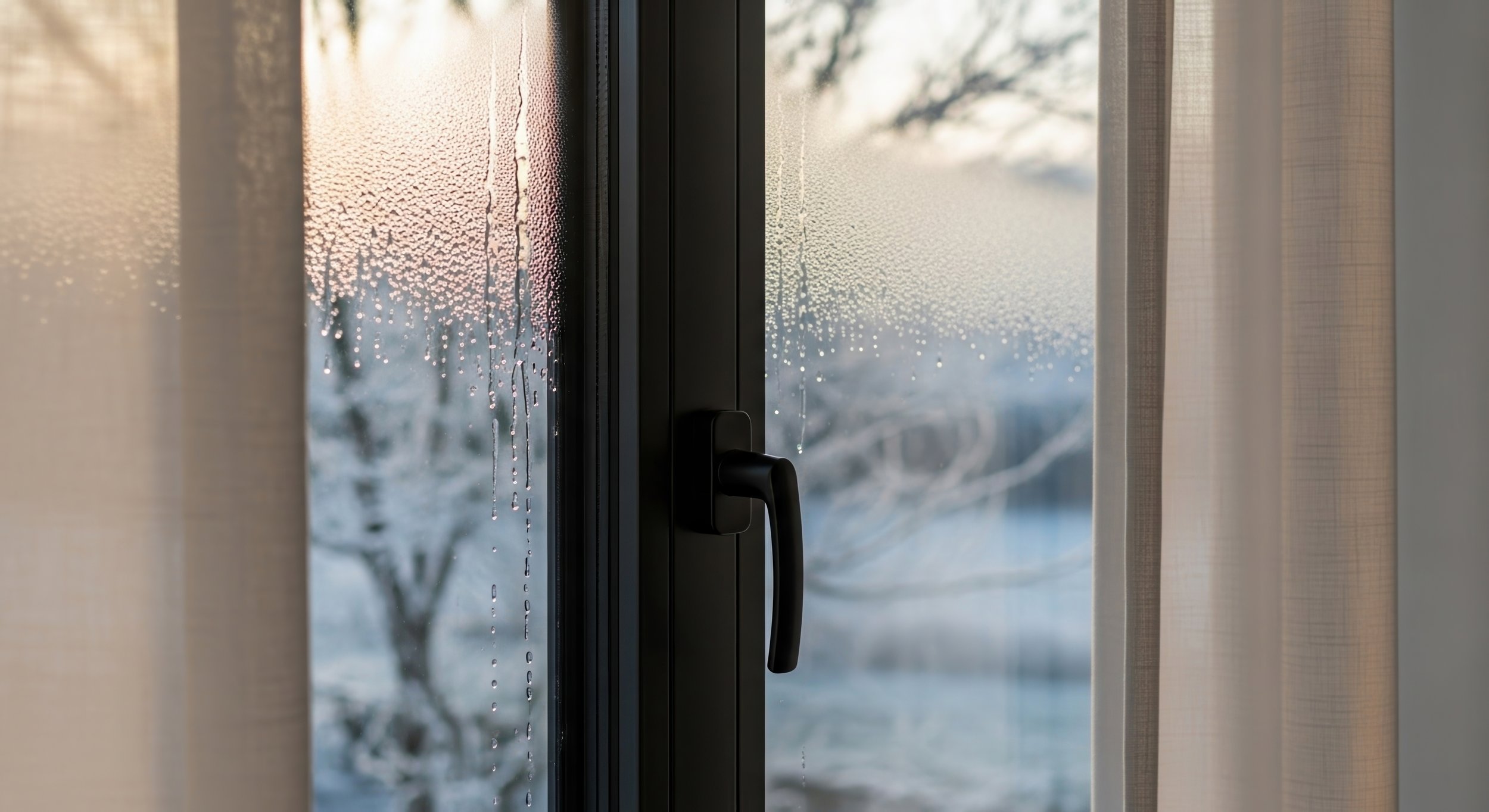
If you've ever walked past your steel windows on a cold morning and found them dripping with water - or worse, coated in a layer of ice - you're not alone. This frustrating problem is surprisingly common, but understanding what causes it is the first step to solving it.
What's Really Happening
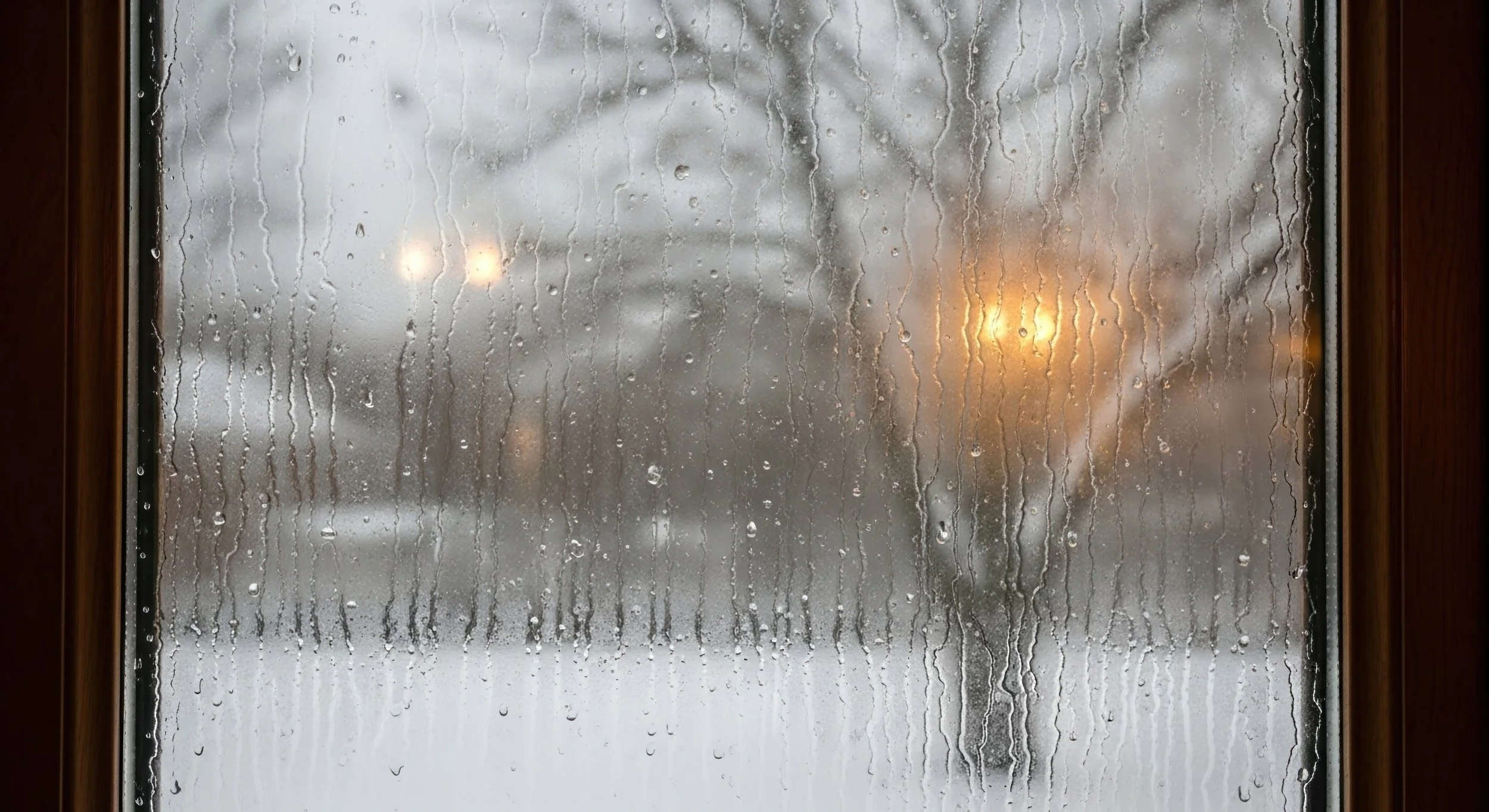
Condensation and ice formation on steel windows or doors occur when warm, moist indoor air meets cold metal surfaces. It's basic physics: when water vapor in the air encounters a surface below the dew point temperature, it condenses into liquid water. And when it's cold enough outside, that water freezes solid.
Steel is an excellent conductor of heat, which makes it particularly vulnerable to this problem. Unlike vinyl or wood, steel rapidly transfers cold from the outside to the inside of your home. Even with proper thermal breaks - insulating materials separating the interior and exterior metal - your window frames can become nearly as cold as the outdoor temperature.
The Main Culprits Behind the Problem
High Indoor Humidity
Your daily activities constantly add moisture to your indoor air. Cooking, showering, doing laundry, running dishwashers, houseplants, aquariums, and even just breathing all contribute to indoor humidity levels. In winter, when windows are closed tight, this moisture has nowhere to go and becomes visible when it hits those cold steel surfaces.
Extreme Temperature Differences
Even with the best thermally broken steel window and door units, extreme temperatures can still cause condensation and ice to form. The bigger the gap between your cozy indoor temperature and the frigid outdoors, the more challenging it becomes. On particularly cold nights, you might wake up to find actual ice crystals forming on your windows - usually pooling at the bottom corners where it's coldest.
The good news is that managing your indoor air quality can significantly mitigate condensation and ice formation, even when outdoor temperatures plummet.
Inadequate Ventilation
Without proper air circulation or ventilation to remove moisture-laden air, humidity builds up indoors throughout the winter months. Newer, well-sealed homes are especially prone to this because they're so airtight that moisture has no escape route.
The Critical Importance of Monitoring Humidity Levels
One of the most effective ways to prevent condensation is to actively manage your indoor humidity based on outdoor temperatures. This is crucial and often overlooked.
Here's your humidity guide for different temperature conditions:
Extreme cold (0°F and below with wind chill): Set humidity to 20-25%
Very cold conditions (around 10°F): Set humidity to 30%
Normal winter temperatures: Maintain 30-50% humidity
Summer months: Maximum of 60% humidity
These aren't arbitrary numbers, they're based on the simple fact that the colder it gets outside, the lower your indoor humidity needs to be to prevent condensation on cold surfaces. During the sustained extreme temperatures we've experienced recently, many homeowners were caught off guard by condensation issues simply because they didn't adjust their humidity levels accordingly.
Maximize Air Circulation: The Game-Changer
Improving air circulation throughout your home is one of the most powerful solutions for combating condensation. When air sits stagnant against cold window surfaces, moisture accumulates. Keep that air moving, and you dramatically reduce the problem.
Strategic air circulation tips:
Use ceiling fans correctly: Run your overhead fans clockwise during winter to push warm air down from the ceiling. This creates better air movement throughout the room and prevents warm, moist air from settling against your cold steel windows.
Run all exhaust fans: Use exhaust fans in bathrooms and kitchens religiously - not just during showers and cooking, but for 15-20 minutes afterward to fully clear moisture from the air.
Add portable fans if needed: In rooms with persistent condensation problems, a small fan can make a surprising difference by keeping air circulating around problem windows.
Open Your Window Treatments
Here's something that seems backward but works: open your drapes, blinds, and shades during the day, especially when condensation is a problem.
Closed window treatments create a microclimate between the fabric and the window where warm inside air gets trapped. This trapped air can't circulate properly, making the window surface even more susceptible to condensation and ice formation.
By opening your treatments, you allow room air to flow across the window surface, which helps keep it slightly warmer and prevents moisture from settling.
The Year-Round Solution: Strategic Ventilation
Here's something many homeowners don't realize: opening your windows and doors periodically throughout the season can help balance indoor and outdoor humidity levels. Yes, even in winter.
You need to burp your home now and then. Move the air, change the air, open a window or door to allow fresh air to replace more moist air.
Brief ventilation periods can work wonders for moisture management. Even just 10-15 minutes a day of opening a window or door allows humid indoor air to escape and brings in drier outdoor air (cold air holds less moisture than warm air). This regular exchange helps prevent humidity from building up to problematic levels.
This doesn't mean leaving windows open all day in freezing weather - just creating periodic opportunities for air exchange throughout the season. Many people find that cracking a window during or after activities that generate lots of moisture (like cooking or showering) is particularly effective.
Additional Solutions to Try
Invest in a dehumidifier: Place one in problem areas to actively remove excess moisture from the air, especially in basements or rooms where condensation is worst. Monitor and adjust settings based on outdoor temperatures.
Check your weatherstripping: If you have double-glazed units, make sure weatherstripping isn't trapping moisture between panes, which can make the problem worse.
Why This Matters Beyond Annoyance
Condensation isn't just an eyesore. Prolonged moisture exposure can cause rust on your steel frames, damage paint and finishes, rot wooden sills, promote mold growth, and deteriorate surrounding materials. Ice formation can be even more damaging, expanding in cracks and crevices.

The Bottom Line
The good news? With a combination of humidity management, proper ventilation habits throughout the season, and strategic improvements to your windows, you can dramatically reduce or eliminate this problem.
Remember the three pillars of condensation control:
Monitor and adjust humidity levels based on outdoor temperatures
Maximize air circulation with fans, open window treatments, and exhaust systems
Ventilate regularly by "burping" your home to exchange moist indoor air with fresh outdoor air
Your steel windows and doors will stay clearer, last longer, and cause you far less frustration on those cold winter mornings.