
Energy Efficient Glass Options for Steel Windows & Doors
Energy Efficient Glass Options for Steel Windows & Doors
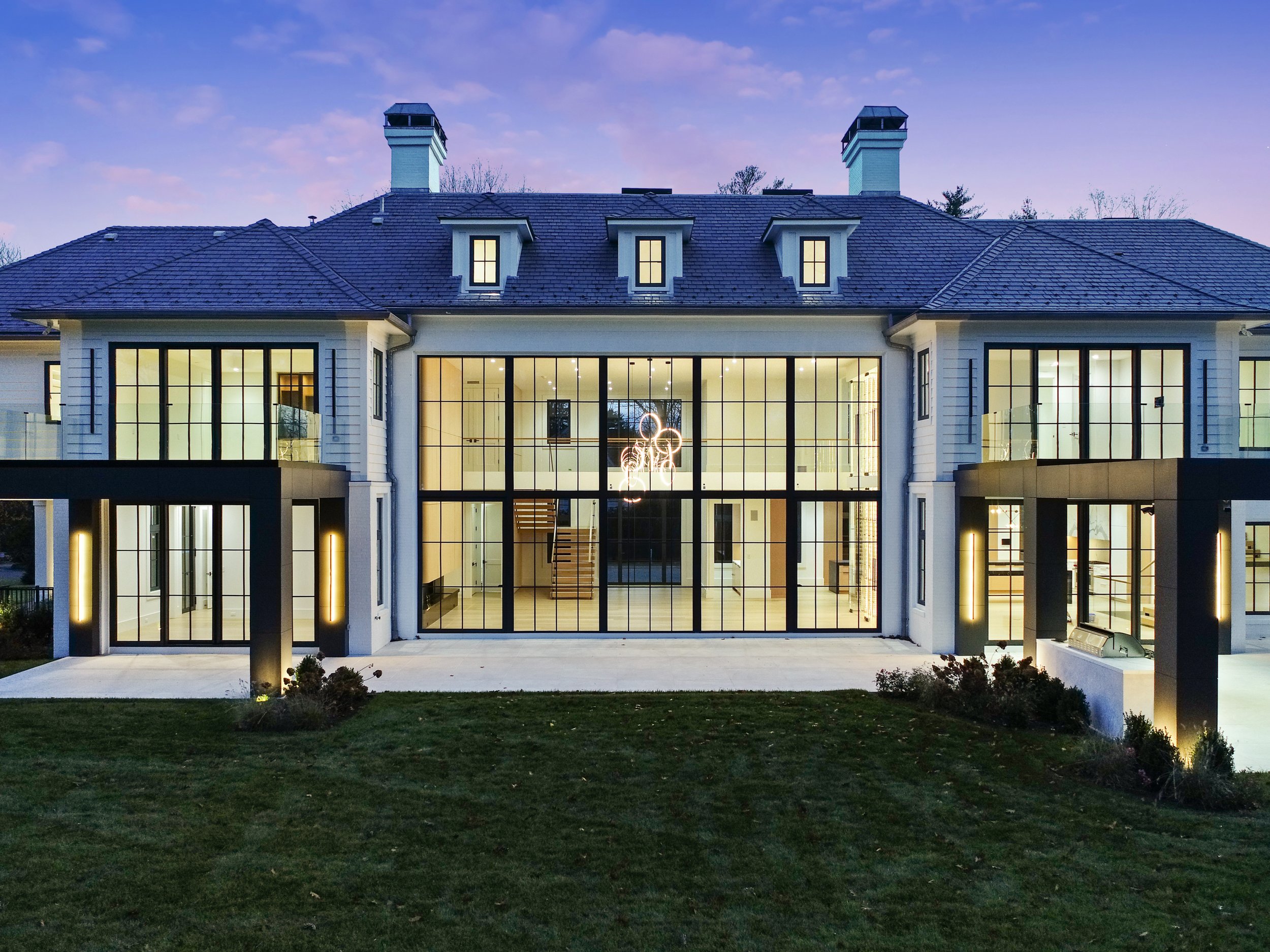
If you are considering steel windows and doors for your home, you have already made a smart choice for durability and timeless style. But there is another crucial element that can make or break your investment: the glass. The right glazing can dramatically reduce your energy bills, keep your home comfortable year round, and even protect your furniture from fading.
Let's break down the most important glass options you should know about.
Understanding Low E Glass
Low E, short for low emissivity, glass is one of the most valuable innovations in window technology. Think of it as an invisible blanket for your windows. Manufacturers apply microscopically thin metallic coatings to the glass surface that reflect heat while still allowing light to pass through.
Here is what makes Low E glass special. In winter it reflects heat back into your home instead of letting it escape through the glass. In summer it reflects the sun's heat away, keeping your interior cooler. You get natural light without the energy penalty.
There are different types of Low E coatings optimized for various climates. If you live in a colder region, you will want a coating that maximizes solar heat gain during winter. In warmer climates, a coating that blocks more heat makes sense. Your window specialist can help you choose the right formulation for your location.
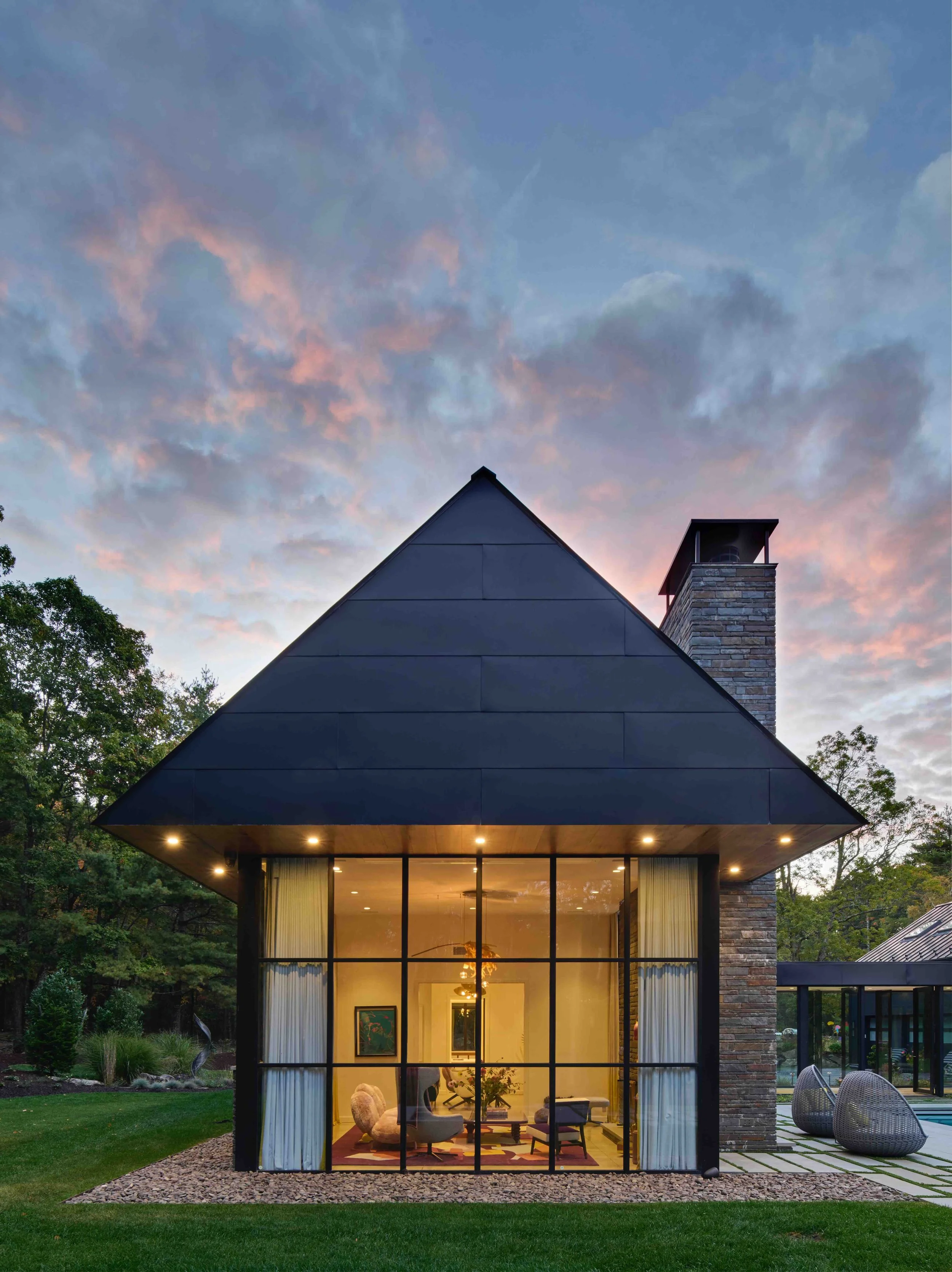
Double Glazing vs Triple Glazing: What's the Difference?
The number of glass panes in your steel windows matters more than you might think.
Double glazing features two panes of glass with a sealed air space between them. This gap, typically filled with air or an inert gas like argon, acts as an insulator. Double glazed windows are standard in most modern homes and offer solid energy performance at a reasonable price point.
Triple glazing adds a third pane of glass and an additional insulating space. This extra layer provides superior insulation, making triple glazing ideal for extreme climates, homes in very noisy areas, or situations where maximum energy efficiency is a priority.
The tradeoff is that triple glazing costs more upfront and adds weight to your steel frames. For most homeowners in moderate climates, high quality double glazing with Low E coatings delivers excellent performance without the added expense. However, if you are building a passive house or live somewhere with harsh winters, triple glazing might be worth the investment.
Argon Glass Fill
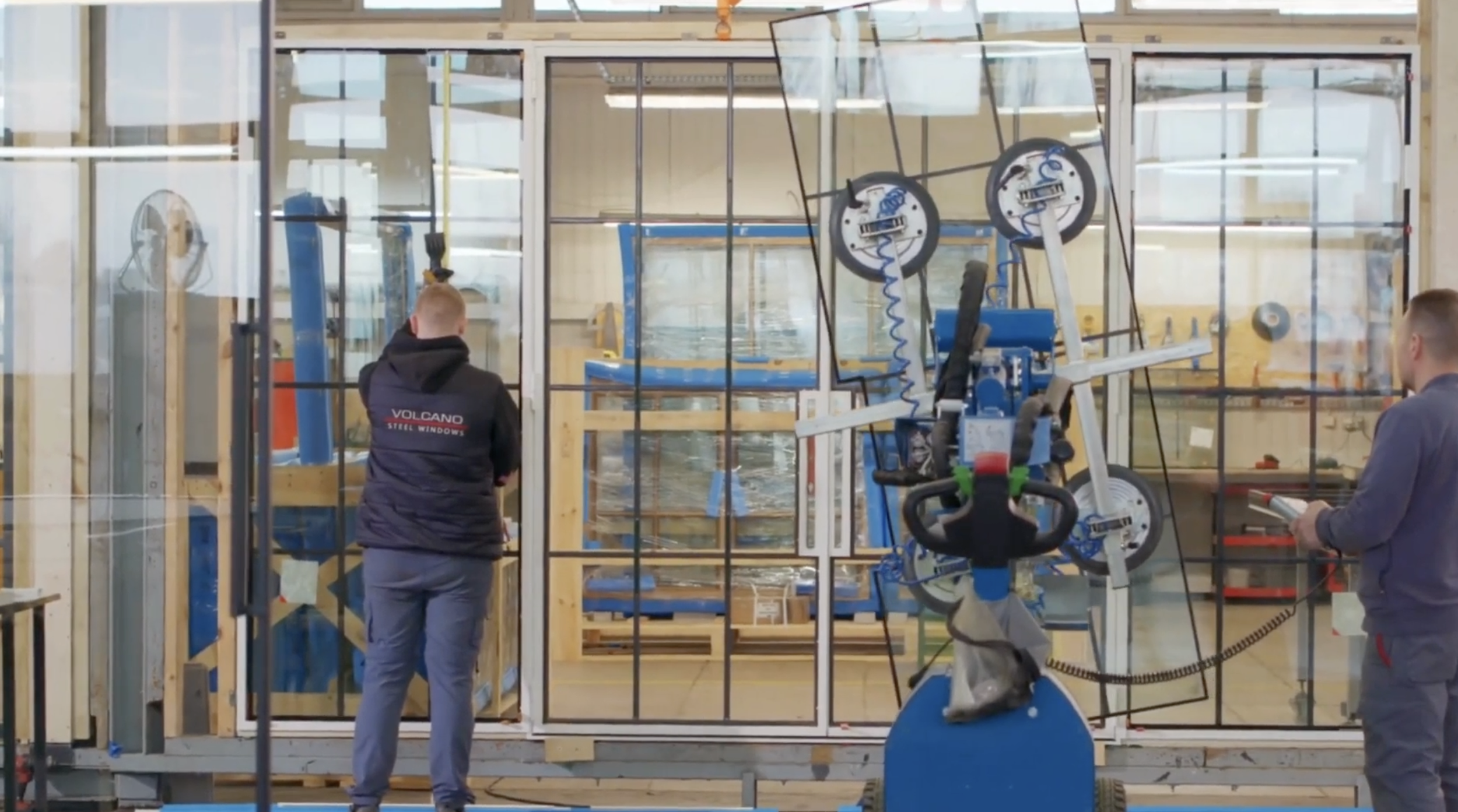
The space between your glass panes does not have to be filled with regular air. Many manufacturers use argon because it’s denser than air and provides better insulation.
Plus, it’s affordable, readily available, and offers noticeably better thermal performance than air filled gaps. Over time some gas will gradually leak out, but quality windows are designed to maintain most of their gas fill for decades. When paired with Low E coatings, gas fills can significantly boost a window's overall energy efficiency.
Spacers and Edge Technology
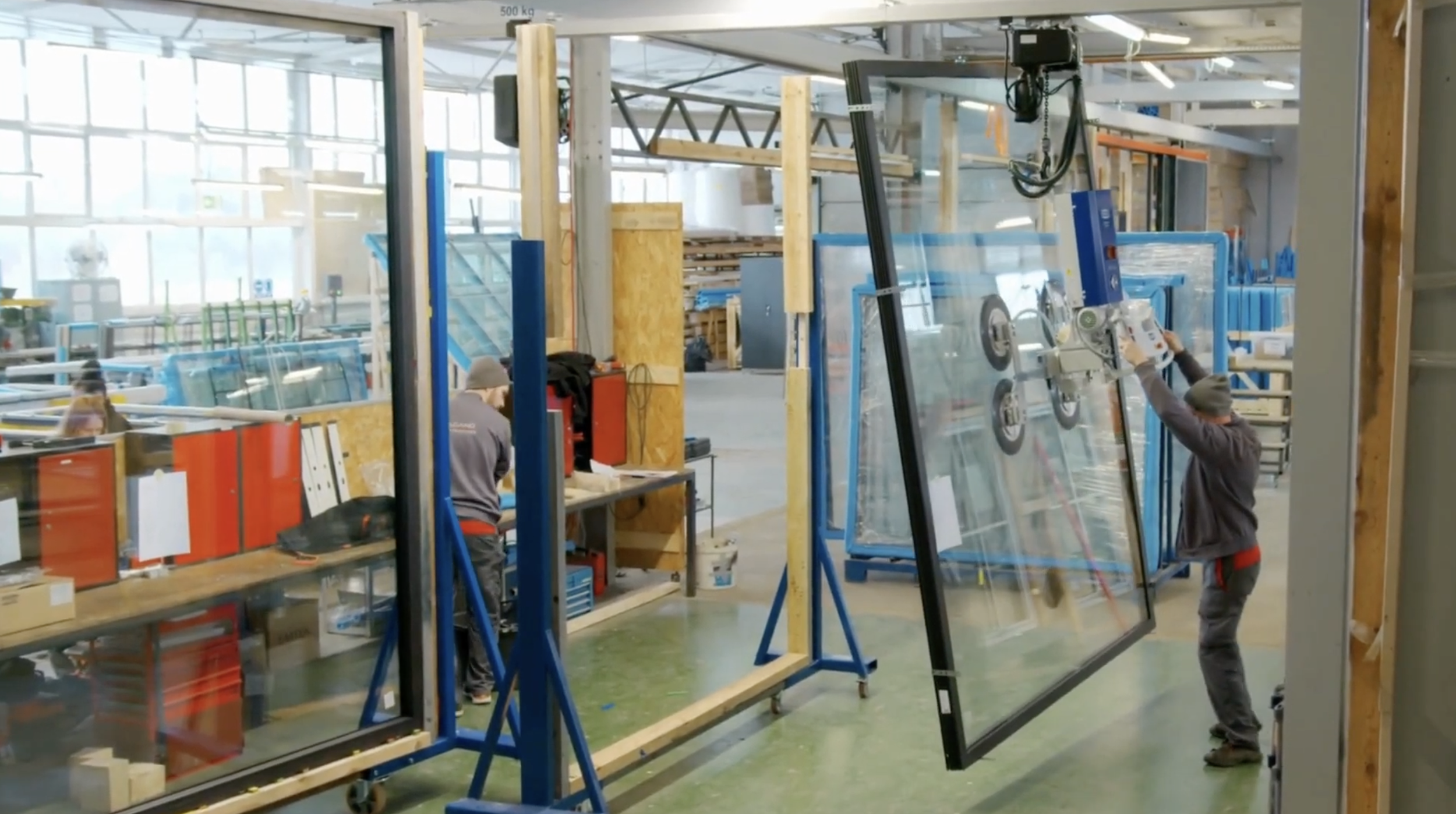
Here is something most homeowners do not think about, the spacer that separates the glass panes around the edges. Traditional aluminum spacers create a thermal bridge, allowing heat and cold to transfer more easily. This can lead to condensation and reduced efficiency.
Warm edge spacers made from insulating materials like foam, vinyl, or fiberglass solve this problem. They reduce heat transfer around the perimeter of the glass unit, improving overall performance and reducing the chance of condensation forming on the glass.
Solar Heat Gain Coefficient and U Factor
When shopping for energy efficient glass, you will encounter two important ratings that help you compare options.
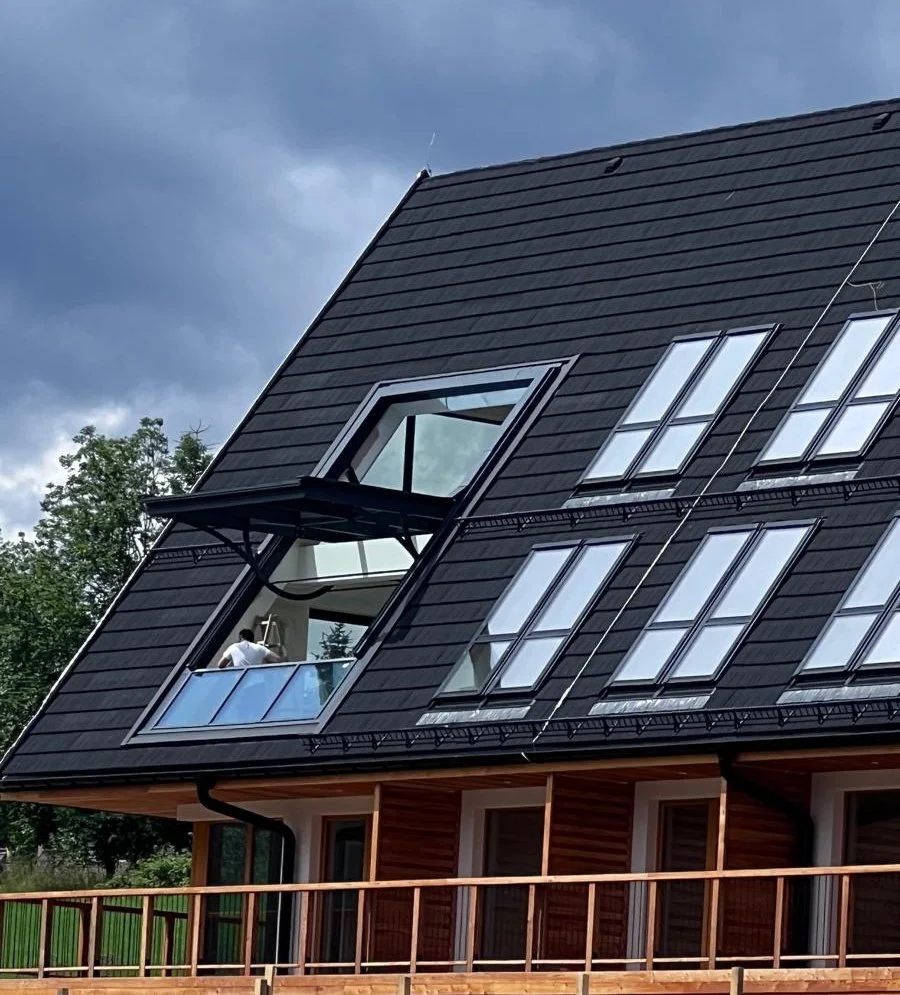
The U factor measures how well your window prevents heat from escaping. Lower numbers are better. A standard single pane window might have a U factor around 1.0, while a high performance double glazed unit with Low E coating could be as low as 0.25 to 0.30.
The Solar Heat Gain Coefficient, known as SHGC, measures how much solar radiation passes through your window as heat. It is rated from 0 to 1. A lower SHGC means less solar heat enters your home, which is great for cooling climates. A higher SHGC can help with passive solar heating in colder regions. Most commercial and residential windows practically fall between 0.20 and 0.80. A rating of 0 means the window blocks all solar heat, while a rating of 1 means it lets in all solar heat.
The ideal balance depends on your climate, your home's orientation, and your personal preferences. South facing windows in cold climates might benefit from a higher SHGC to capture winter sun, while west facing windows in hot climates need a lower SHGC to reduce afternoon heat gain.
Privacy Glass Options for Steel Windows and Doors
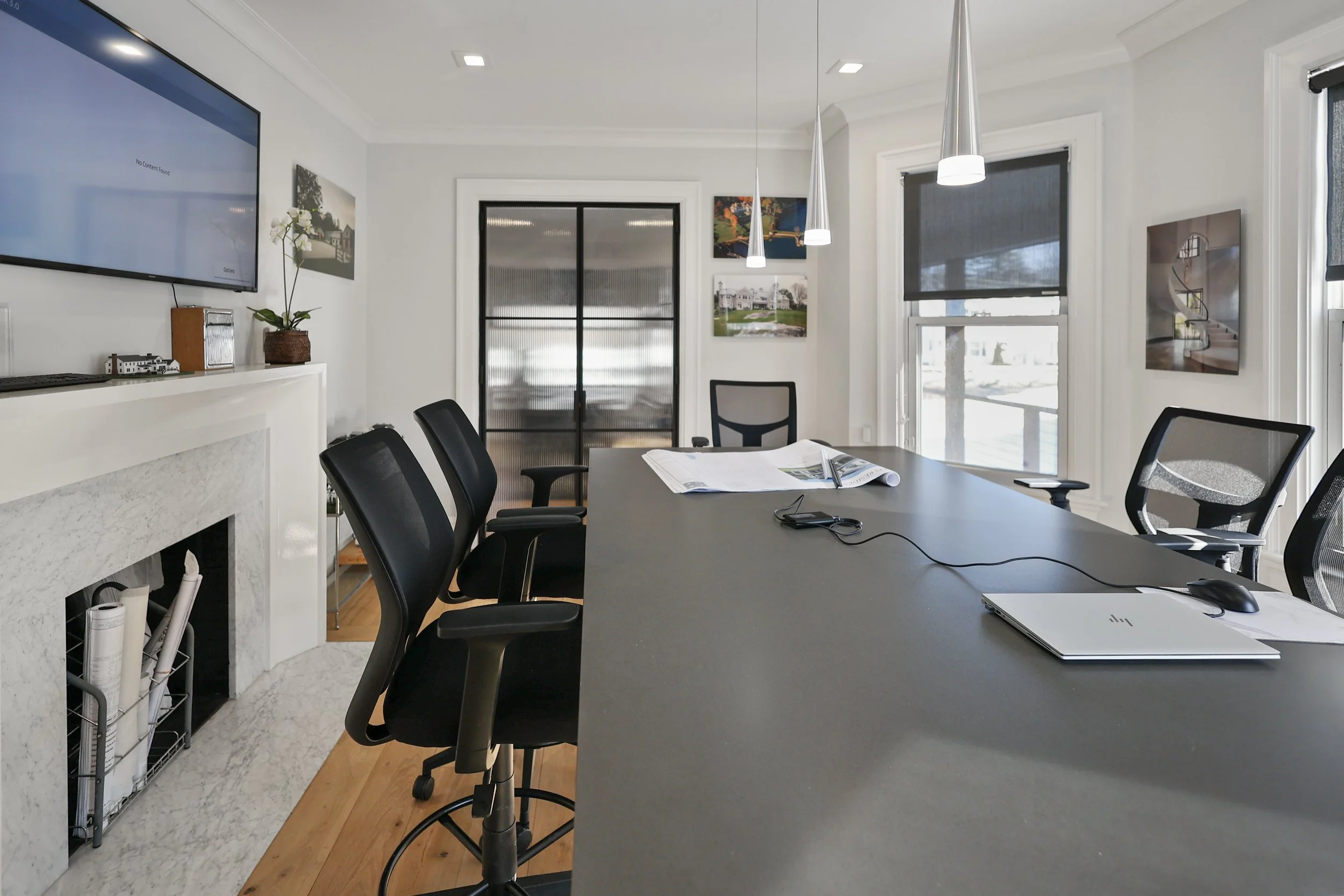
Not every window needs to be fully transparent. Bathrooms, ground floor sidelights, interior partitions, and street facing entries often call for glass that blocks the view while still letting light through. Steel frames pair well with several privacy glass approaches, each with different tradeoffs in cost, maintenance, and how much control you have over the level of obscurity.
Low Iron Glass
All of ATD's glazing is fabricated in our factory overseas, and our standard glass already carries a lower iron content than what most domestic North American manufacturers use as their baseline. That means the slight green cast common in standard clear glass is less pronounced in every ATD window and door before a client ever asks for an upgrade.
True low iron glass is still available for projects that call for it, and it comes with a meaningful upcharge. But for most clients, ATD's standard glazing already delivers more clarity than the domestic standard clear glass they might be comparing it to. Low iron makes sense on large format glazing, structural applications, or anywhere a designer wants the glass to disappear entirely. For everything else, the built in clarity of ATD's standard glass is often enough.
Acid Etched and Sandblasted Glass
These two methods produce what most people call frosted glass, but they are not the same product. Acid etched glass is treated with a hydrofluoric acid solution that chemically dissolves a thin layer of the glass surface, leaving a smooth, satin finish. Sandblasted glass is made by blasting an abrasive material, usually sand, at the surface under pressure, which leaves a rougher, more granular texture.
The practical difference shows up in daily use. Acid etched glass resists fingerprints and smudges and stays easier to clean over time. Sandblasted glass can trap oils and dirt in its textured surface, which means more upkeep in high touch applications like an entry door. Both allow the fabricator to control opacity, so a panel can run anywhere from a light frost to a full opaque finish, and gradients are possible too, where the glass shifts from clear at the top to frosted at the bottom.
Reeded and Fluted Glass
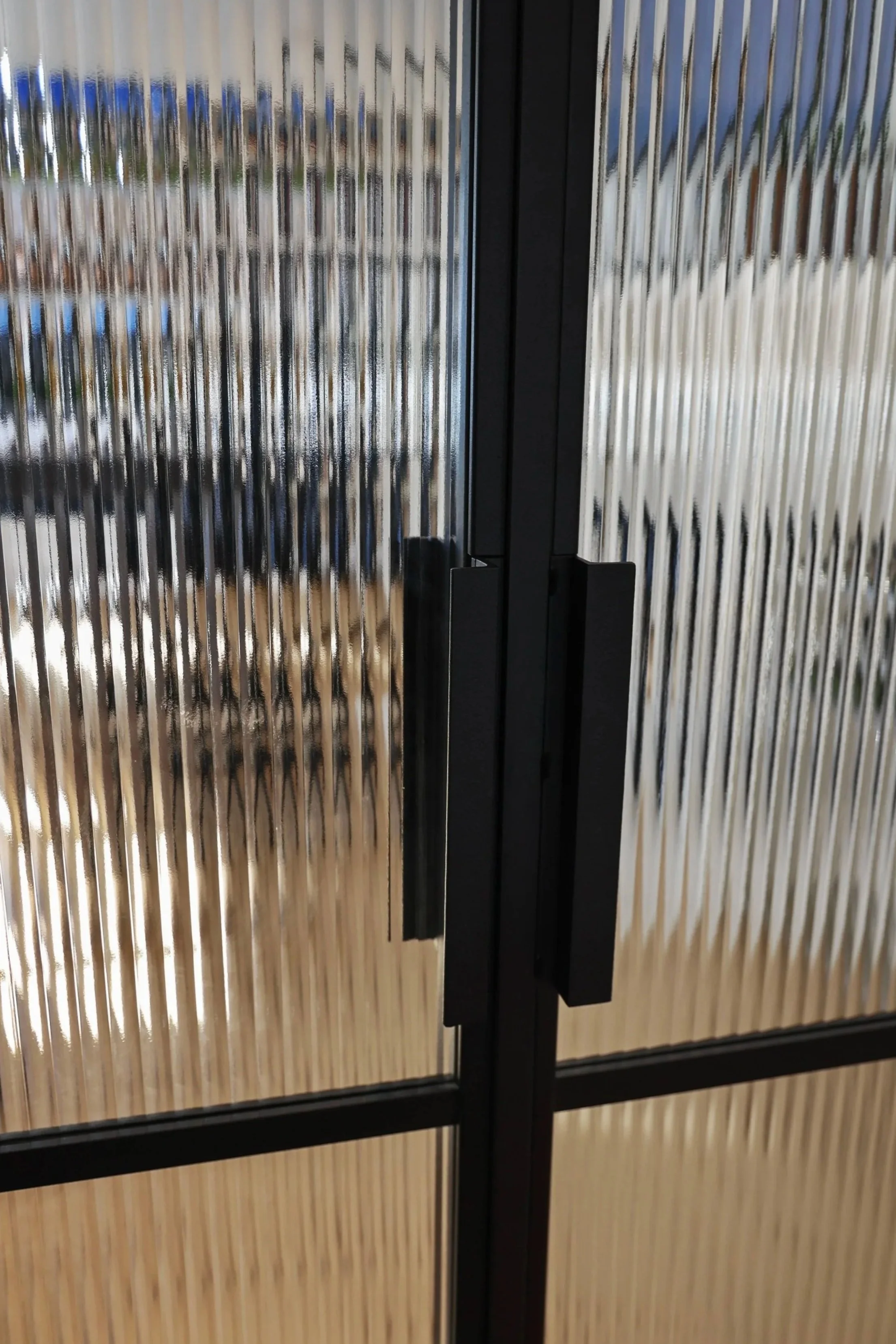
Reeded glass, also called fluted glass, uses a pattern of parallel vertical or horizontal ribs pressed into the glass during manufacturing rather than a surface treatment. Light bends and scatters as it passes through the reeds, which blurs shapes without cutting down on brightness the way a flat frosted panel does. This has become a common choice for interior doors and sidelights where the goal is softened visibility rather than full obscurity, and it reads as more decorative than plain frosted glass, which matters on a steel door where the glazing is part of the design statement.
For most residential applications, choosing among these fixed privacy options comes down to how much upkeep a client is willing to take on and how decorative they want the glazing to look. Acid etched glass suits high touch surfaces like entry doors where smudging is a concern. Reeded glass suits interior applications where the pattern itself becomes part of the design. Sandblasted glass works well anywhere a matte, more industrial texture fits the aesthetic.
Making the Right Choice for Your Home
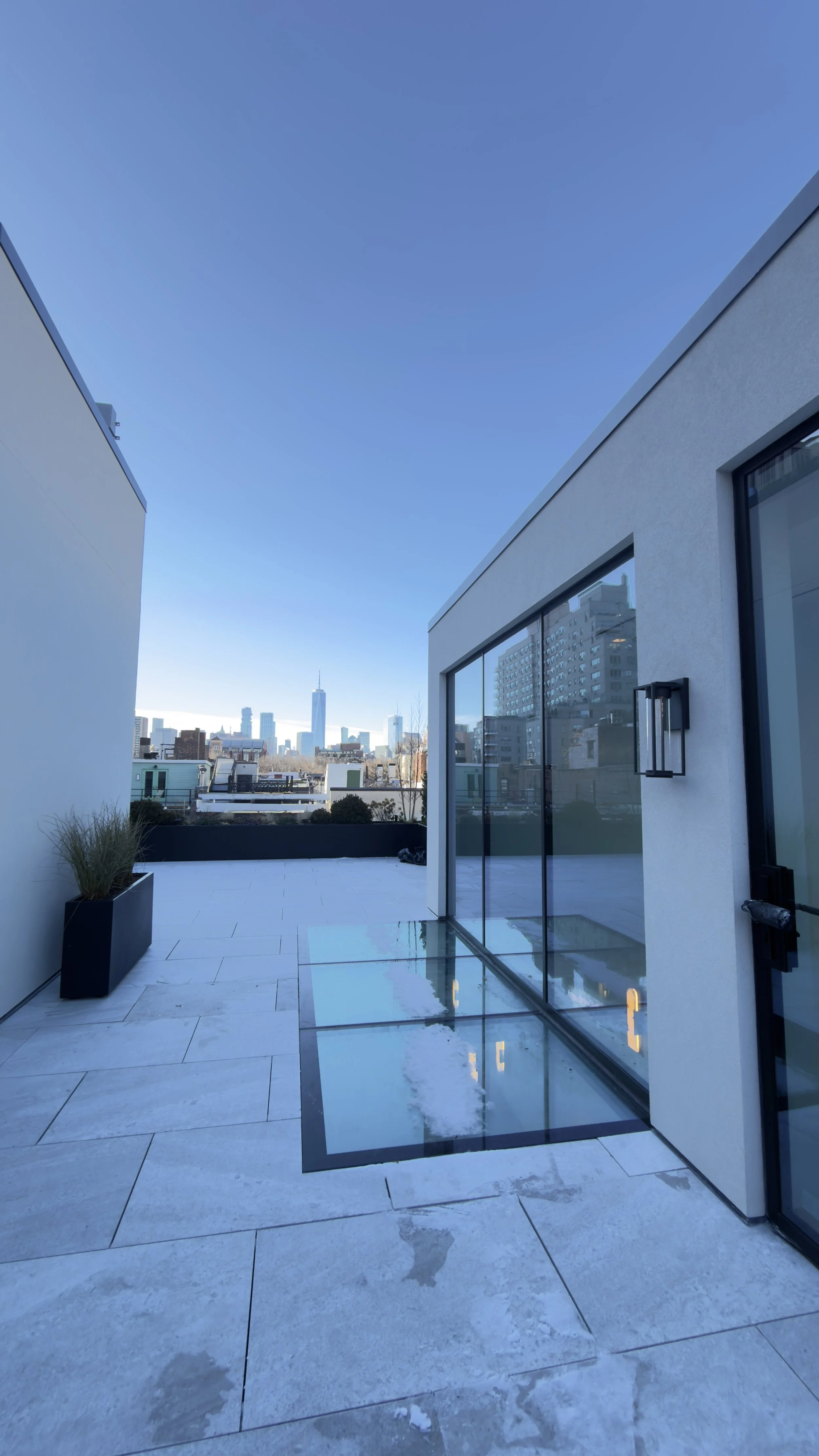
Steel windows and doors deserve high performance glass that matches their quality and longevity. For most homeowners, double glazed Low E glass with argon fill and warm edge spacers offers the best balance of performance, comfort, and value.
Now the industry standard, triple glazing is essential if you are in an extremely cold climate, near a busy street where noise is a concern, or building to passive house standards. And remember that the orientation of each window matters. You do not necessarily need the same glass specification for every window in your home. The same logic applies to privacy glass. Not every window in a home needs it, and the choice should follow the room, not the other way around.
Working with an experienced steel window and door company means you will get guidance tailored to your specific situation, your local climate, and your energy goals. The right glass options will keep your home comfortable for decades while showcasing the beauty of your steel frames without compromise.
All glazing is done for ATD in our factory oversees and it already has a less percentage of iron in it than domestic North American manufacturers. Low iron is available and is a significant upcharge the good news is that our standard glass does contain less iron than domestically produced glass.