
Wellness in Design Starts with Light
Wellness in Design Starts with Light
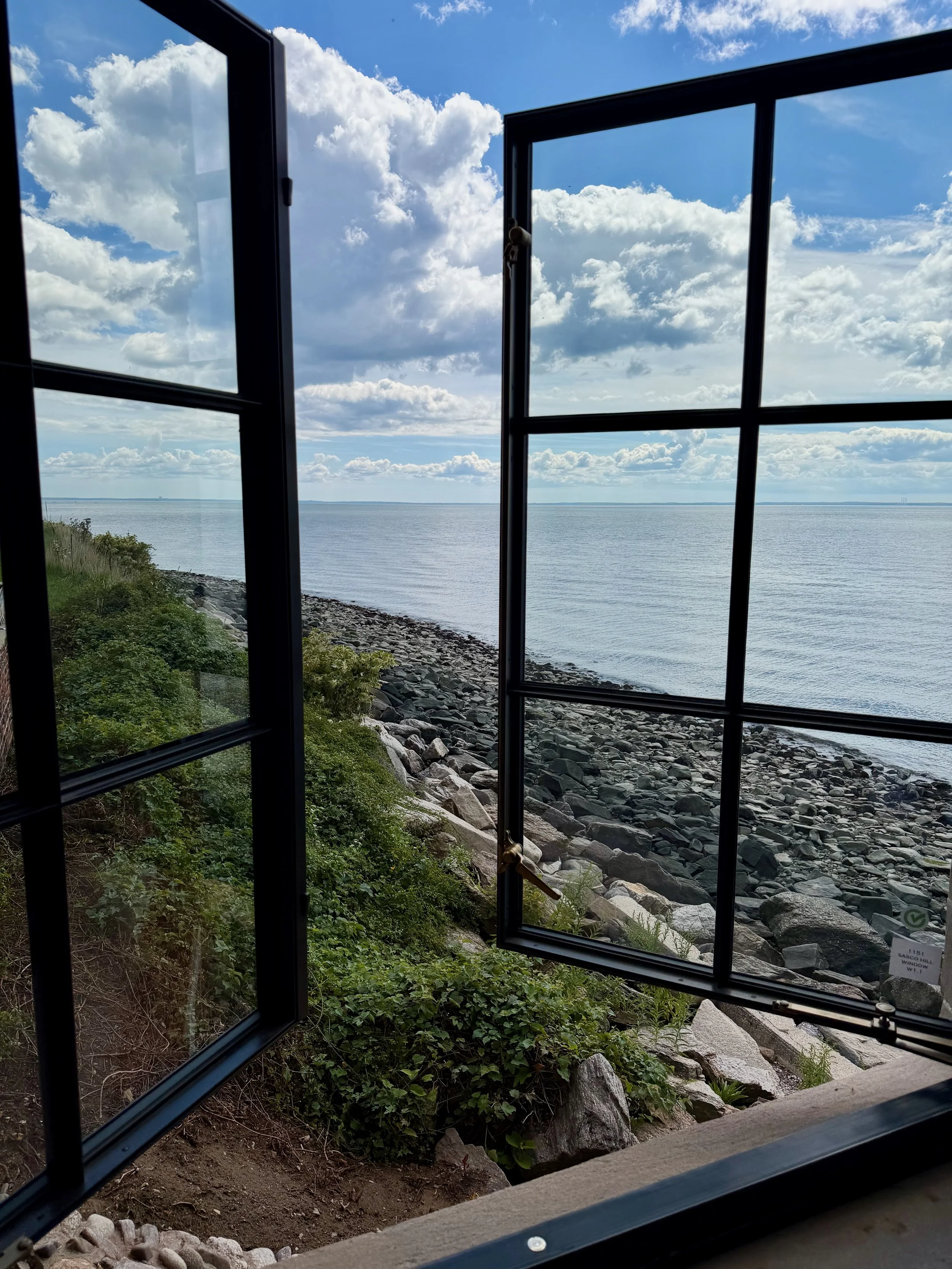
People spend most of their day indoors. That fact alone should shape how buildings and interiors get designed. Wellness in architecture is not a yoga room or a juice bar in the lobby. It is air, light, and material choices that either work with the body or against it. For a company like All the Details, that discussion starts at the window and door.
Light
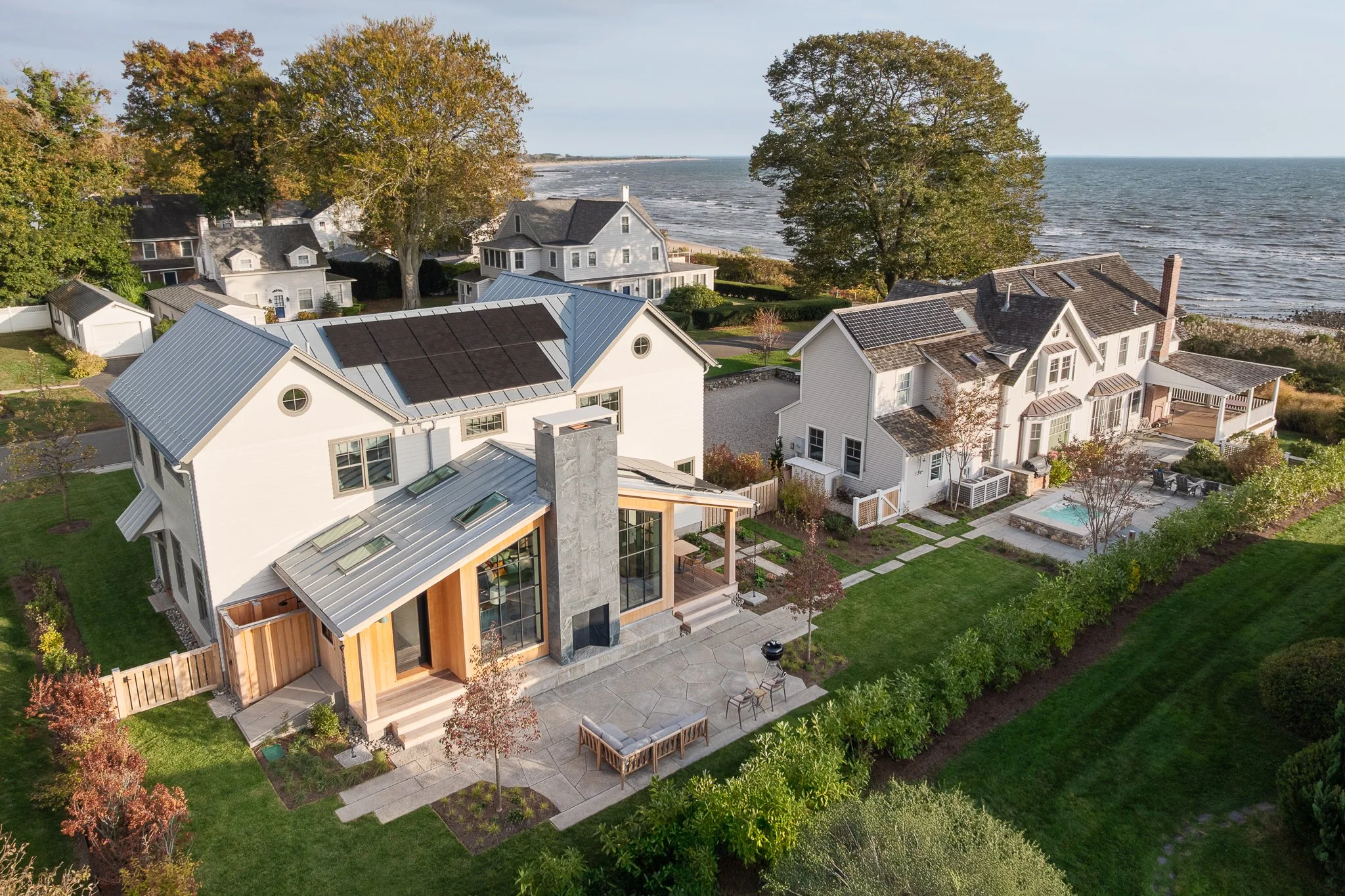
The body runs on a roughly twenty-four-hour clock called the circadian rhythm. Morning light exposure is what sets that clock each day. Researchers at the University of Oregon, working with Quinn Evans under an American Institute of Architects research grant, found that architectural choices around daylight timing and exposure have a measurable effect on sleep, mood, and hormone regulation. Get the light wrong and the effects show up as poor sleep, low mood, and reduced focus during the day.
This is where window and door material actually matters, not just as an aesthetic decision. Steel is stronger than aluminum, wood, or vinyl by a wide margin, in some comparisons three times stronger than aluminum. That strength lets a frame stay narrow while still supporting a much larger pane of glass. A wood or vinyl frame needs more material to do the same structural job, which means thicker sightlines and less glass. Steel does not carry that penalty. The result is openings that run larger, taller, and more expansive without loosing structural integrity, and rooms that pull in more daylight per square foot of wall.
That is not a small distinction for a designer working alongside an architect. A steel lift and slide door or a steel casement window can span an opening that would need a much bulkier frame in another material. That gives an occupant more usable daylight for the same footprint, and it gives an architect more freedom to place glazing where the light actually needs to land, not just where the frame can structurally hold itself up.
Air
Light is not the only thing the WELL Building Standard tracks. The International WELL Building Institute also scores air quality, and one specific feature is operable windows. Buildings with a meaningful share of operable windows see fewer reports of sick building syndrome symptoms compared to buildings that rely only on mechanical ventilation. One frequently cited figure ties naturally ventilated spaces to a productivity benefit of around 7.7 percent over mechanically conditioned ones.
A steel window or door that opens, rather than a fixed picture window, gives occupants control over their own air. That control matters more than most people assume. Being able to open a window when outdoor air quality is good is one of the simplest wellness interventions available in a building, and it depends entirely on the hardware and frame doing their job for decades without binding, warping, or failing.
Material and durability
Wellness research also looks at material transparency, meaning what a building is made of and whether those materials off gas volatile organic compounds or degrade over time. Steel does not swell with humidity the way wood can, and it does not flex under temperature swings the way vinyl does. A properly finished steel window or door holds its shape for decades, which means the building envelope keeps performing the way it was designed to, instead of drifting out of tolerance and creating drafts, moisture problems, or air leaks that undermine everything else in a wellness strategy.
Connection to the outdoors
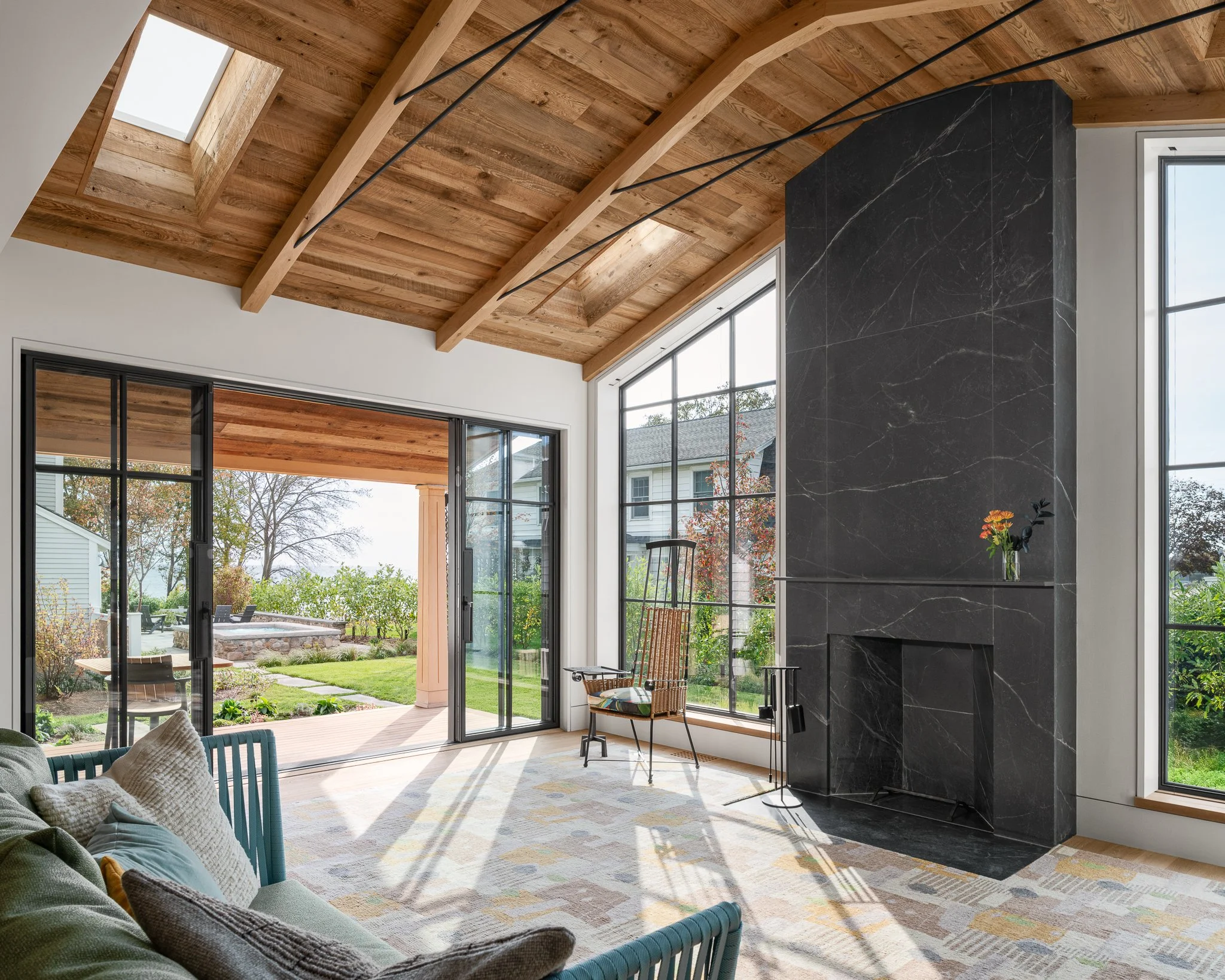
Biophilic design, the idea that people have a built-in pull toward the natural world, is one of the more consistently cited features of the WELL framework. Large, glazed openings do double duty here. They bring in daylight, and they frame a view of the outdoors that a narrower window cannot offer at the same scale. A slender steel frame gets out of the way of that view more than a bulkier material can, which is part of why architects on high end residential and commercial projects keep specifying it.
None of this is trend or aesthetic preference alone. Wellness in design is a measurable outcome, and the window and door package a project chooses either supports that outcome or gets in the way if it.
At All The Details, every steel opening we fabricate starts with that question: what does this room actually need from the light, the air, and the view.